Key points
- You’ll be prepped for surgery as soon as you arrive at the hospital. You won't know for some time whether the surgery will go ahead.
- During the surgery, the surgeon will make an incision, remove the diseased lung(s) and then connect the new lung(s). The team will use machines to monitor and protect your breathing, oxygen and blood supply during the operation.
- After the surgery, a member of the surgical team will come talk to your family. You’ll be transferred to the ICU, while still on a breathing machine (also called a ventilator).
Arriving at the hospital
When you arrive at the hospital, the team will carry out a number of tests and checks. They will prepare you for surgery while you wait to learn whether you will get the transplant. You'll need to continue fasting.
When lung(s) become available, the transplant team will call in more than one patient and prep each of them for surgery. That way, if one patient ends up not being a suitable candidate, there is someone else who is ready to receive the lung(s). Having multiple patients on standby ensures every organ gets used, and everyone on the active list gets the best chance of receiving a transplant.
Prepping for surgery
In preparation for surgery, you will have
- a blood test
- an ECG (electrocardiogram) to check your heart
- a chest x-ray
If you have any abnormal tests, sepsis, a new illness or COVID-19, you may not be able to go ahead with the surgery.
Consent process
The lung transplant surgeon will review you, then ask you to sign the Transplant consent form.
If you had previously consented to accept lung(s) from an augmented risk donor, the team will let you know if this donor falls into that category. You'll need to provide consent once more before the surgery can go ahead. To learn more, go to Augmented risk donors.
Waiting to learn if the surgery will go ahead
You may be waiting several hours while the team assesses the lung(s), usually in a different hospital. The donor organs are from patients who are sick themselves. The team will decide based on the donor's past history and how the lungs are working now, if they are suitable organs for donation. Once a decision is made, the transplant coordinator will let you know whether you will receive the lungs.
If you are approved for surgery, a nurse will help you change into a surgical gown and prepare you for the operating theatre. Your family can stay with you until you go through the theatre doors.
If you don’t get the transplant, the disappointment can be difficult to deal with. It is important to have a good support network of family and friends to help you through this. A psychologist may also be able to help support you.
If you go home without a transplant, you remain on the active list. You will be called back in as soon as there is another potential match, whenever that will be.
The transplant operation
Single and double lung transplant
Some patients are initially listed for a double lung transplant, but if their condition worsens and the team feels they cannot wait, they may consider a single lung transplant. This is usually a discussion between the surgeon and your lung transplant consultant.
An overview of the lung transplant surgery
Your privacy settings
In order to allow the use of this content on this website you must accept the use of miscellaneous cookies.
How the operation works
Types of incisions
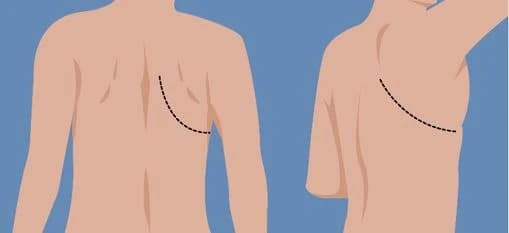
Posterolateral thoracotomy (single transplant)
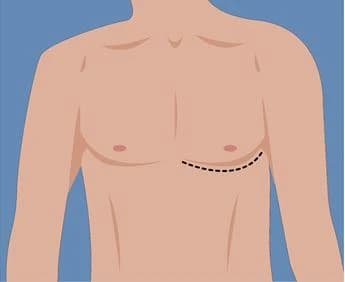
Anterolateral thoracotomy (single transplant)
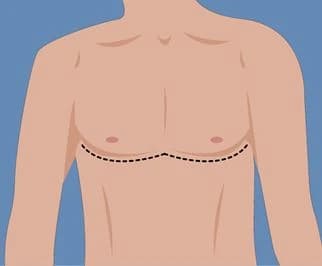
Clamshell incision (double transplant)
Risks during the operation
There are many risks associated with the transplant operation. To learn more and view a full list of risks, go to Other risks.
Updating your family
The transplant coordinator will keep your family updated on how the surgery is going. When the surgery is complete, a member of the surgical team will come to talk to your family. You will then be transferred to the Intensive Care Unit (ICU). It will take about an hour for the ICU team to get you settled. Your family will then be allowed to visit briefly.
After the operation
You will be cared for by the specialist team in the ICU. Most patients will need to stay on the breathing machine (ventilator) for at least a few days after surgery. You will still have lots of the tubes and monitors in place after the operation. You can read more about this in ICU and early recovery.
Donor confidentiality
Remember to protect the confidentiality of the donor and their family.
- Do not post news about your transplant operation on social media.
- Never be precise about the date of your transplant.
- To learn more about how you can respect your donor and support their family, go to Your donor.